Nobody tells you how heavy a bus step becomes. Before pregnancy it was a step. At seven months it is a climb, taken with one hand on the rail, one hand on your belly, while the conductor shouts for people to move in and the vehicle pulls away before your second foot has landed. Nobody offers a seat. Not because they are cruel, but because they are looking at their phones, and because you are not yet obviously pregnant, and because nobody has ever told them that they should.
This is the part of pregnancy that rarely appears in the health leaflets. We talk about nutrition, check-ups and danger signs, and we should. But a woman does not live inside a clinic. She lives on the road, in the queue, at the counter, at work and at home, and in each of those places her body is being asked to do the same things it did before, with less strength, less balance and less breath.
The weight nobody sees
Pregnancy changes almost everything about how a woman moves through the world. Her centre of gravity shifts. Her joints loosen. Standing for long periods can bring swelling and dizziness; carrying a heavy bag can strain a back that is already carrying a great deal. Most of this is invisible to the people around her, and much of it is carried in silence, because asking for help can feel like admitting weakness, or like asking for a favour she is not sure she deserves.
When we listen to pregnant women in our communities, the same scenes come up again and again: the crowded microbus, the bank queue, the ward office with no chairs, the hospital corridor where a woman waits standing because every seat is taken. None of these are dramatic. That is exactly why they matter. They are ordinary, and ordinary is where most of pregnancy happens.
Even at eight months pregnant, I found myself standing and waiting in a hospital queue for nearly two hours.Dr. Manu Karki, Co-Founder, Aama Surakshya Nepal
On the bus, in the queue, at the counter
A pregnant woman's experience in public transport should not depend on whether someone happens to notice her, or happens to be kind that day. Yet that is largely how it works. Priority is left to chance. Drivers and conductors have never been asked to think about it. Passengers have never been shown what a small act of care looks like, or told that it is expected of them.
The same is true at service points. A queue that is manageable for most people can become a physical ordeal for a woman in her third trimester. A form that has to be collected from one window, filled at a second and submitted at a third is a small inconvenience for anyone else. For her, it is three more journeys on tired feet, often with a toddler in tow.
Noticing is the first act of care
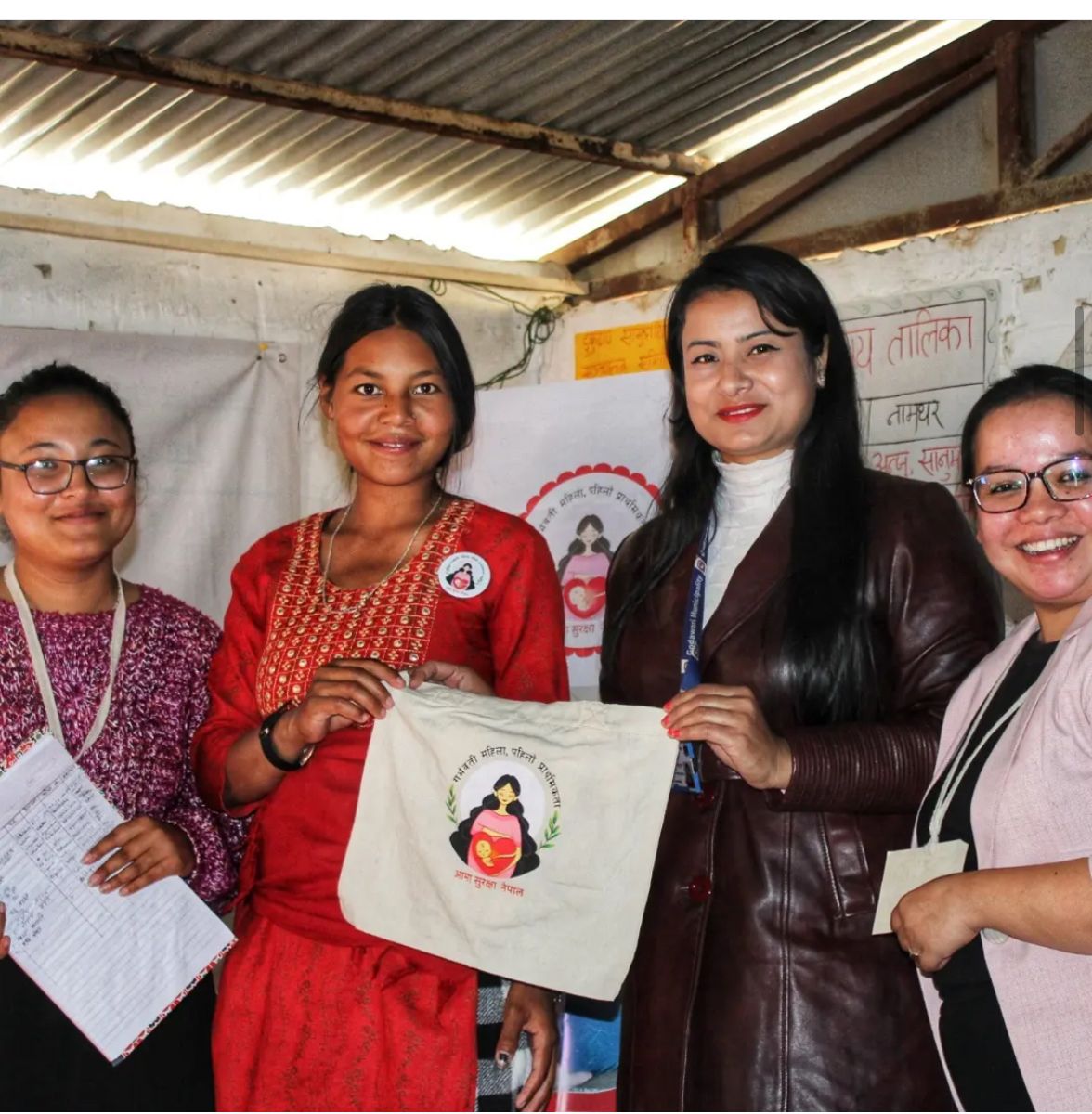
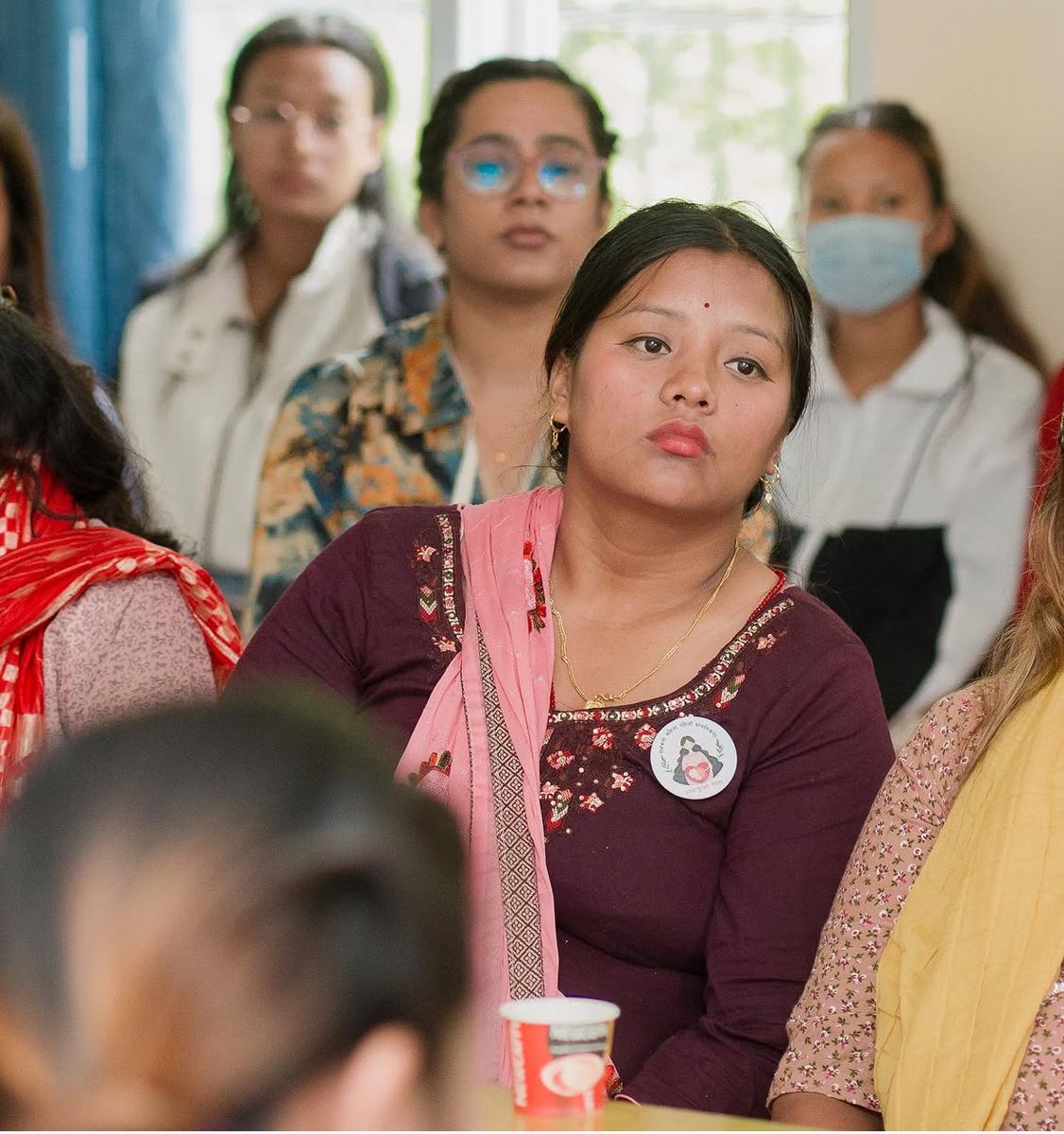
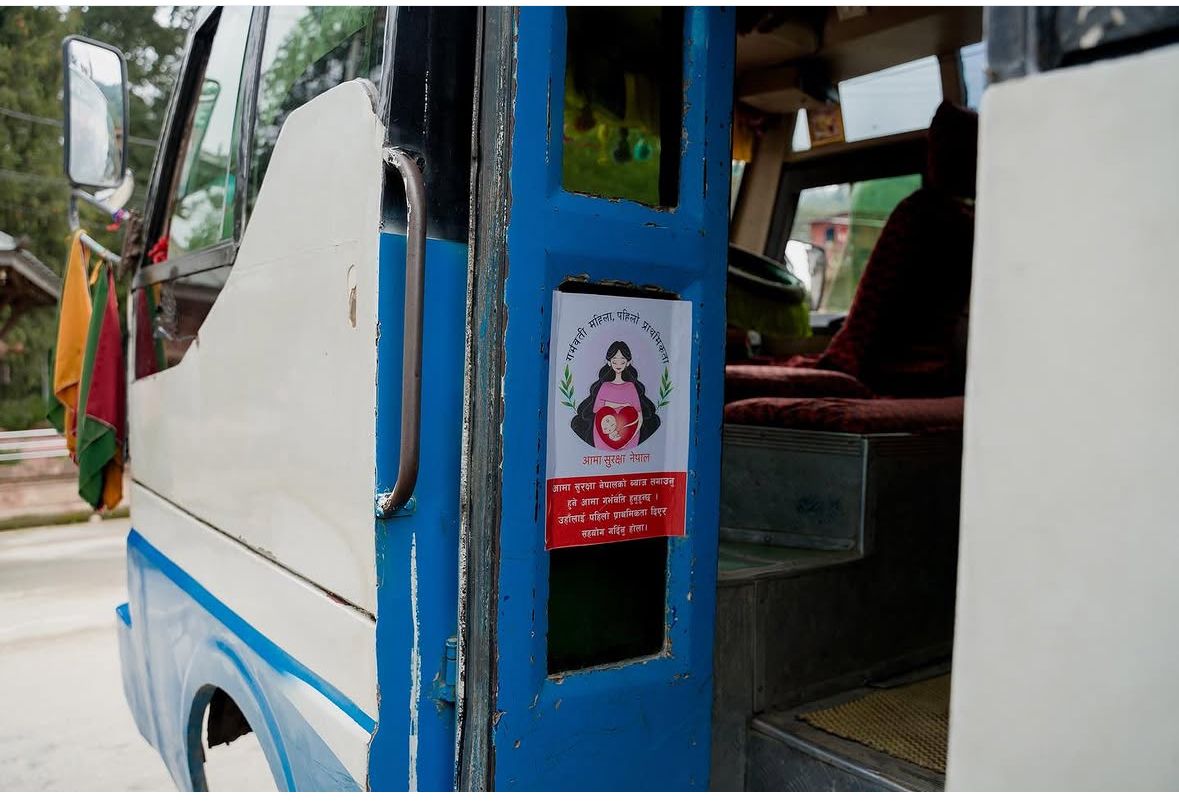
The physical burden of pregnancy cannot be removed. But it can be shared, and the first step is simply to see it. That is why so much of our work begins with visibility: a badge that says, quietly, "I may need a seat"; a sticker on a bus that reminds passengers what priority seating is for; a conversation with a ward office about putting a bench near the counter.
None of this is expensive. What it requires is a shift in expectation, from a culture where a pregnant woman must ask, and often ask twice, to one where support is offered before she has to.
What would make a difference
- A seat, offered without being asked. Priority seating that is visibly marked and actually honoured.
- Shorter, sitting-down waits. Priority queues or chairs at health facilities, banks and government offices.
- Drivers and conductors who know. Simple orientation on stopping fully, waiting for her to sit, and avoiding sudden braking.
- Families and workplaces that share the load. Fewer heavy bags, fewer long standing shifts, more rest.
What we are doing about it
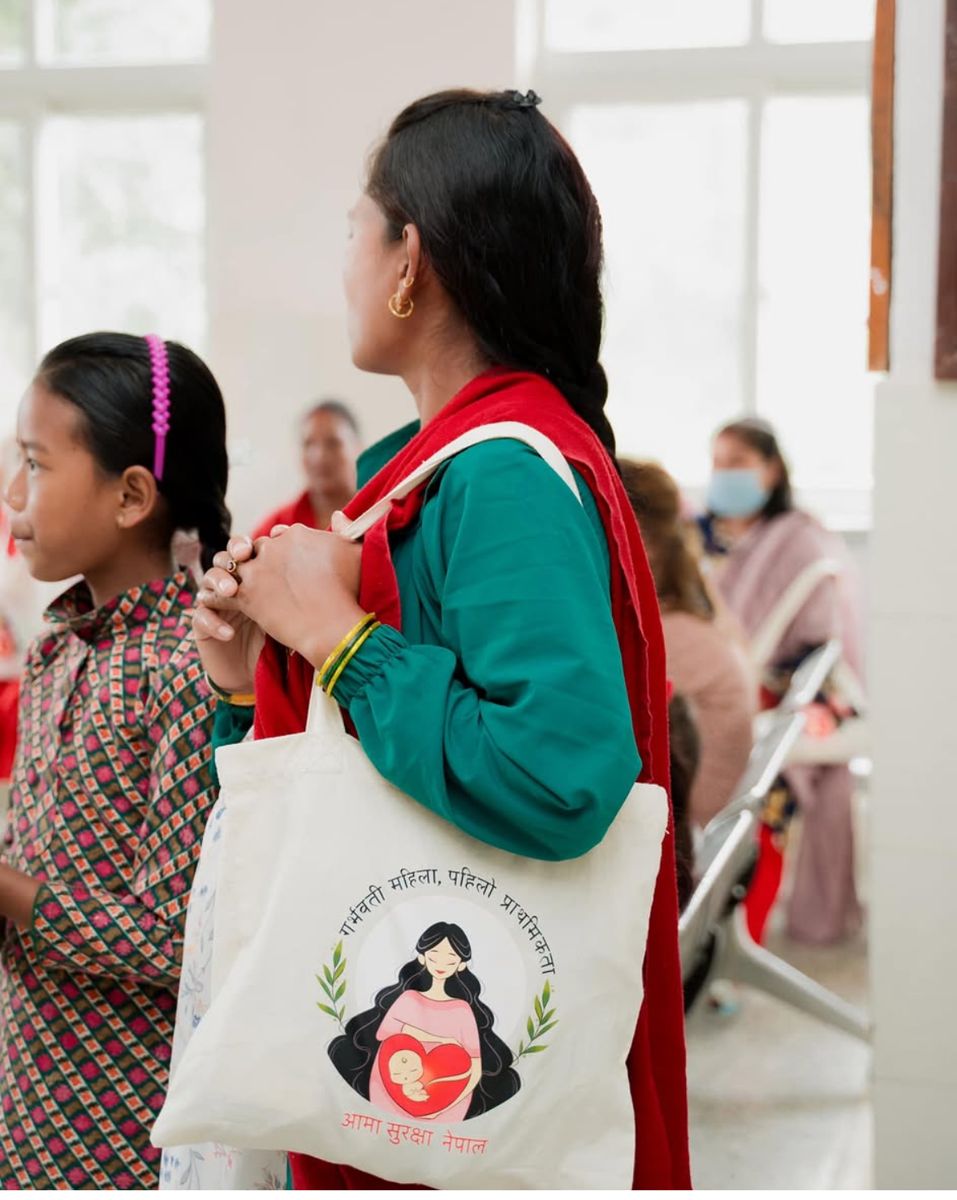
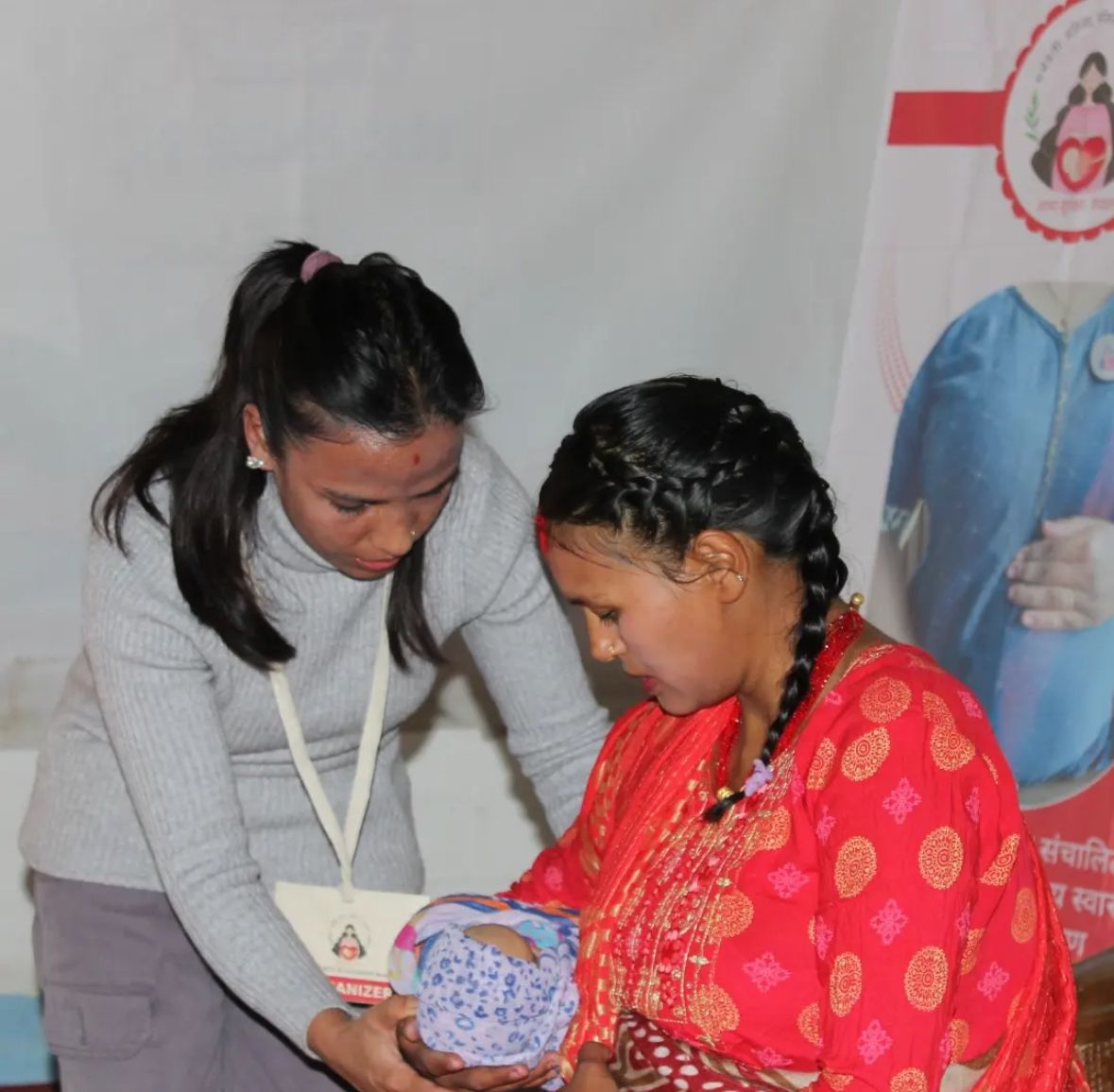
Aama Surakshya Nepal works with women, transport providers, health posts and local governments to turn these small needs into everyday practice. Our maternal identification badge makes pregnancy visible. Our transport orientation reaches the drivers and conductors who decide, every day, whether a journey is safe. And our conversations with institutions push for mother-friendly spaces where a woman can sit, rest and feed her baby with dignity.
A Nepal that is better for mothers is a Nepal that is better for everyone. It starts with noticing the woman on the bus step, and moving over.